
Energy Planning & Development
Planning energy systems around development, equity, and community priorities.
IDEAS in action
From community priorities to system-wide decisions, we connect evidence with the people and places it serves.
Planning energy systems around development, equity, and community priorities.

Reliable, affordable energy services, from unserved rural to underserved urban communities.

E-mobility, e-cooking, and AI & Computing for energy transitions.

Understanding climate risk, strengthening grids, and improving service quality.
Across all four themes, we combine engineering, data science, policy, and community-engaged research.
Energy Planning & DevelopmentStudent thesis research: Ahana Mukherjee
Power system planning shapes investments in generation and grid infrastructure. Fragmented data and inaccessible tools can limit participation in these decisions, particularly in the Global South. SEER aims to make planning faster, more flexible, and more accessible to energy-sector stakeholders.
The project is developing an open dataset to support machine learning approaches, including automated input-data generation and models that approximate optimization solvers. Collaboration with planning practitioners is central to making the tools useful for real decisions.
Curate planning inputs and outputs from national studies, including demand profiles, costs, and grid information.
We will target 15+ countries and 75,000 training scenarios to support machine learning for planning.
Combine faster planning models with interactive visualization to help planners and policymakers explore alternatives.

Mohini Bariya · Genevieve Flaspohler · Joshua (Josh) Adkins
Project objectives, investigators, and grant information.
Planned dataset, scenarios, and collaboration with June Lukuyu and Ahana Mukherjee.
SEER is among the projects featured in this funding announcement.
An update on the collaboration and its focus on accessible power systems planning. LinkedIn may require sign-in.
Open datasets and machine learning tools are in development. Public download and code links will be added when available.
Project objectives, investigators, and grant information.
Planned dataset, scenarios, and collaboration with June Lukuyu and Ahana Mukherjee.
We want to hear from you.
Energy Planning & DevelopmentThe study examines energy-transition demand in Rwanda in collaboration with KCRC, Rwanda Energy Group, and the eGUIDE initiative.
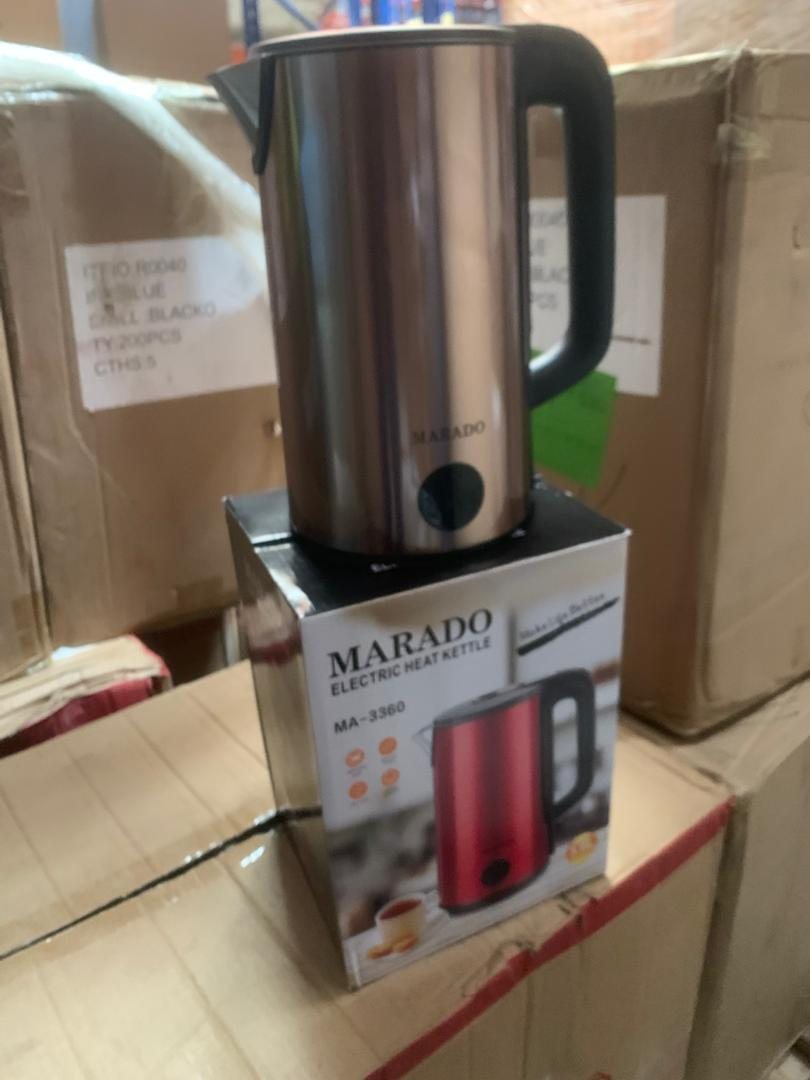
From May to August 2025, Eliane Nirere participated in fieldwork surveying more than 2,000 low-income households in Kigali. About 370 participating households received efficient electric kettles through a cost-sharing scheme, with electricity and appliance use to be monitored over six months.
 Energy Planning & Development · Energy Access · Off-grid minigrids
Student thesis research: Eliane Nirere
An interdisciplinary approach to planning rural electrification.
Developer data collection and site visits across Sub-Saharan Africa in April–October 2025.
Energy Planning & DevelopmentEnergy Planning & DevelopmentEnergy Access · Off-grid minigridsThe Community-Owned Renewable Electrification (CORE) project supported Nigeria’s Rural Electrification Agency (REA) to develop, test, and scale a community-led model for renewable electricity service provision. Through this model, known as the Renewable Energy Users’ Cooperative Societies (REUCS), communities took ownership of mini-grid operations, governance, and long-term sustainability.
CORE was implemented by a consortium led by Mercy Corps – Energy 4 Impact, together with local partner Murty International and the Kigali Collaborative Research Centre (KCRC). The consortium brought together complementary expertise to strengthen and expand the REUCS model nationwide.
Energy Access · Off-grid minigridsStudent thesis research: Eliane Nirere
Comparing gamification with conventional surveys as approaches to estimating mini-grid electricity demand in Fiji.
Energy Access · Electrification & Emerging Technology · E-cookingIlluminating Energy Inequities in Informal Urban Communities
Spotlight Kampala brings Ugandan and international researchers together with residents to understand and improve electricity services in informal settlements. Its research connects infrastructure, affordability, safety, and community priorities.
The collaboration surveyed 500 households, conducted 66 interviews, deployed 148 remote power-quality sensors, and mapped infrastructure across 25 communities. Findings were returned to participating communities to help identify priority solutions.
Electric cooking research combines household engagement, monitoring, and wiring inspections. More recent work explores community-designed solar cooking systems and payment, ownership, and maintenance arrangements.
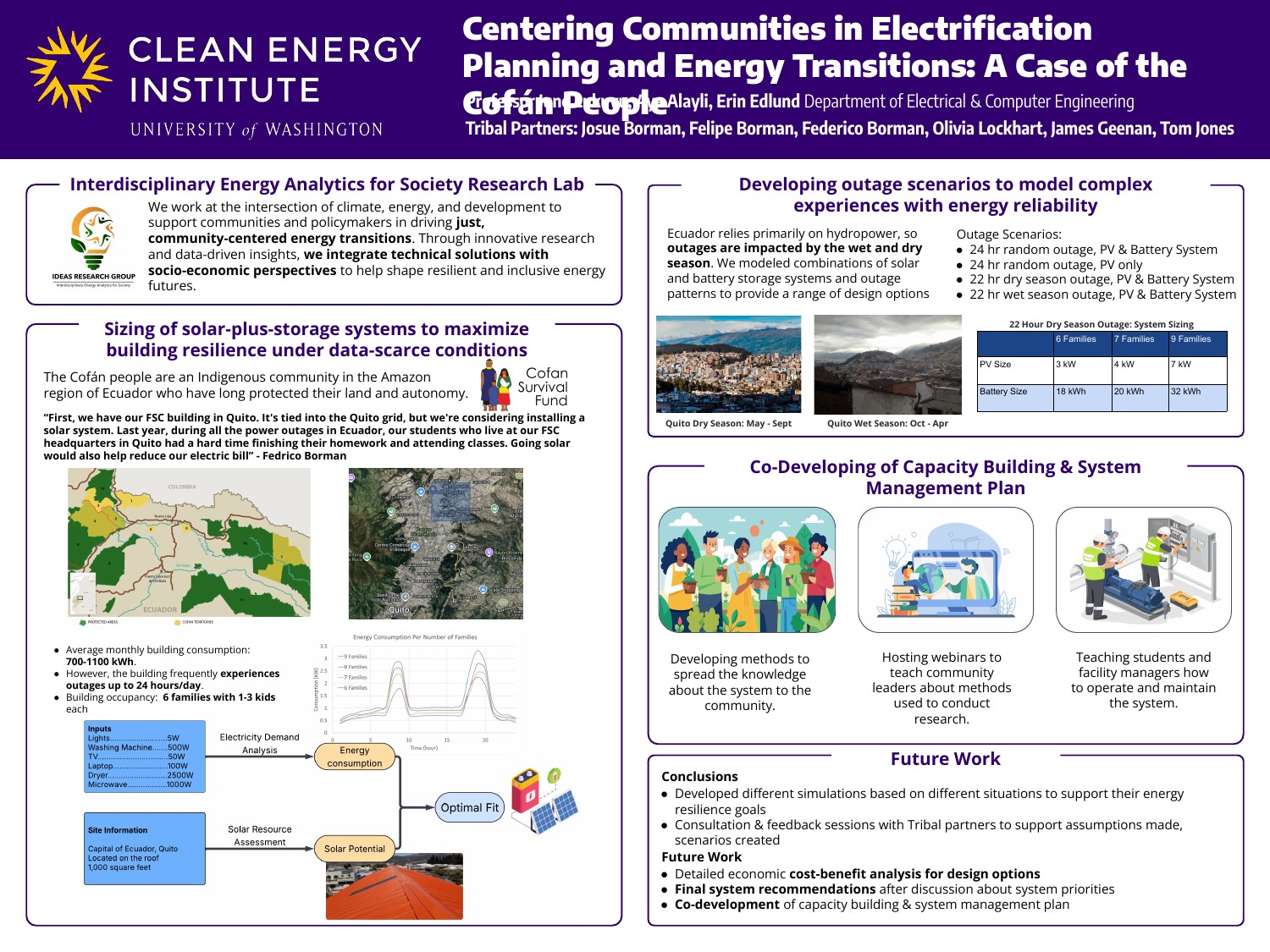
Energy Access · Power System Reliability & ResilienceCofán Tribal Energy Resilience.
 Energy Access · Off-grid minigrids
Effects of weather patterns on Minigrid electricity behavior: insights from the Katiirwe solar Minigrid in Western Uganda.
Electrification & Emerging Technology · E-cookingInvestigating the role of electric boiling in the electric cooking transition in Nairobi and Kigali.
In Summer 2025, Eliane Nirere led data collection in Kigali to assess household electricity and cooking-fuel use. She designed the KoboToolbox survey, trained 20 enumerators, and led fieldwork with more than 2,000 households across six sectors. She also led household selection and the distribution of more than 350 kettles to low-electricity-consuming households to assess electric water boiling as a convenient, affordable alternative for cooking tasks.

Vijay Modi · project co-lead · Vongaishe (Vongai) Mutatu · project co-lead
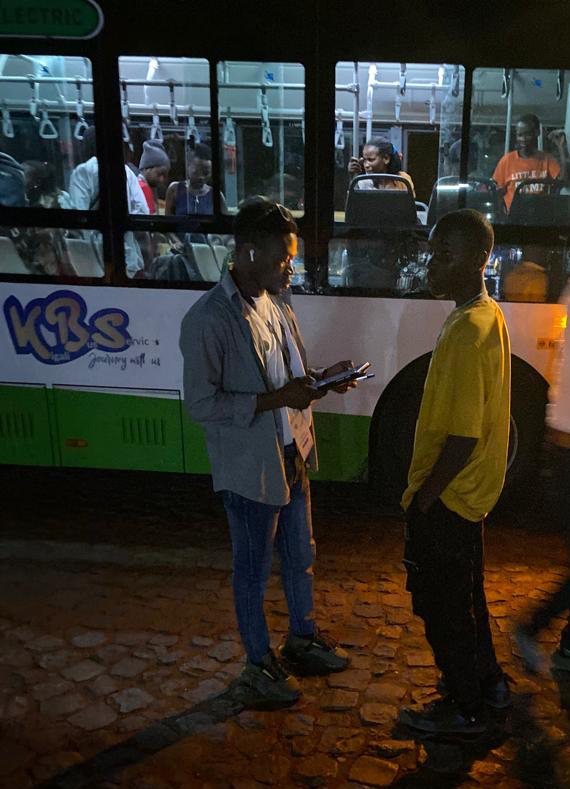
Electrification & Emerging Technology · E-mobilityThe project examines multiple stakeholder perspectives on electric bus services in Kigali, Rwanda.
In August 2024, Miquilina Anagbah led data collection with University of Rwanda students. Surveys with about 800 electric and diesel bus passengers examined service satisfaction and perceptions of electric buses.
 Electrification & Emerging Technology · E-mobility
Student thesis research: Ahana Mukherjee
Research on charging infrastructure planning for electric three-wheelers in India, developed from Summer 2024. The Spring 2026 manuscript focuses on distributed, solar-based charging for electric autorickshaws in West Bengal.
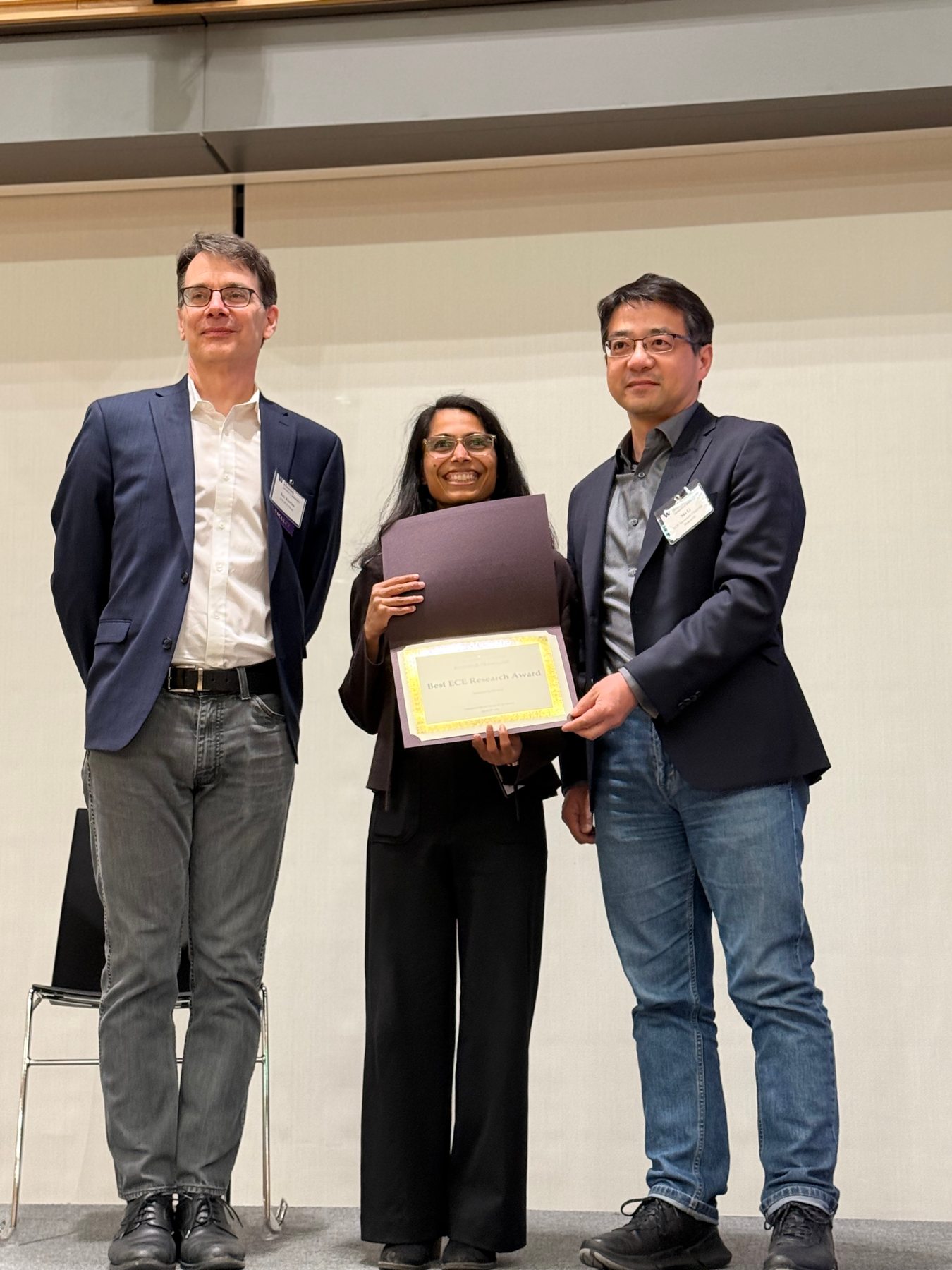
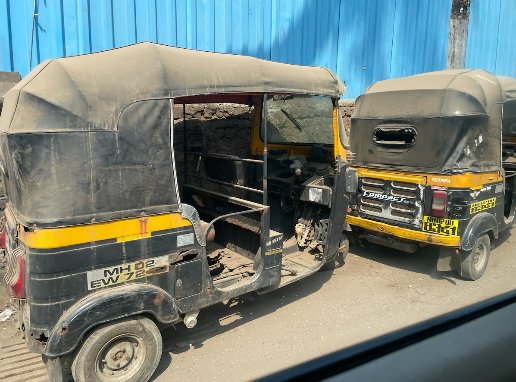
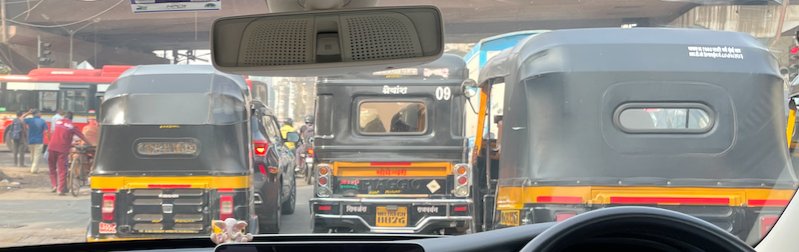
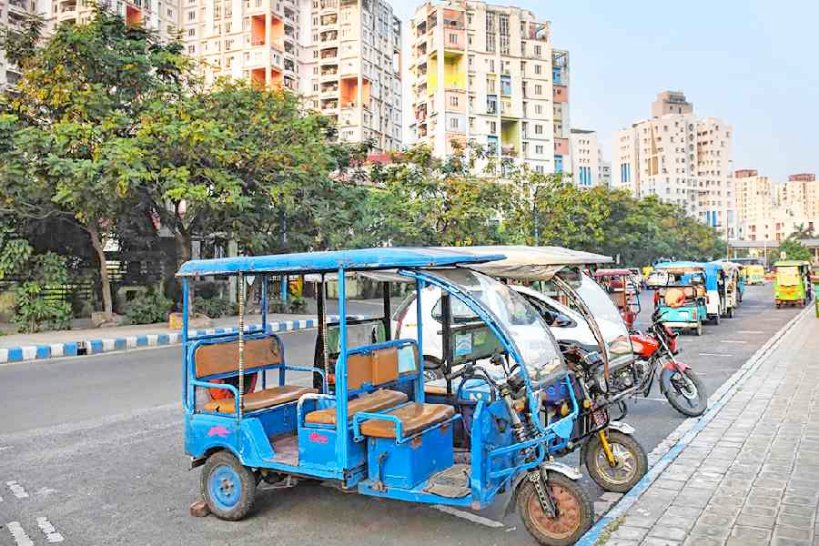
A public manuscript link has not yet been added.
Presented at the UW ECE Research Showcase; received the Best Overall Research award.
Power System Reliability & ResilienceExamining climate and equity in community-based demand response in the Pacific Northwest.
Power System Reliability & ResilienceDeveloping data-driven approaches to understand distribution grids and localize losses.
Power System Reliability & ResiliencePower System Reliability & ResiliencePower System Reliability & ResilienceResearch across borders
Explore our projects around the world. Select a country pin to see the research taking place there.
Pins represent countries, rather than exact field sites. Open the full Google map ↗